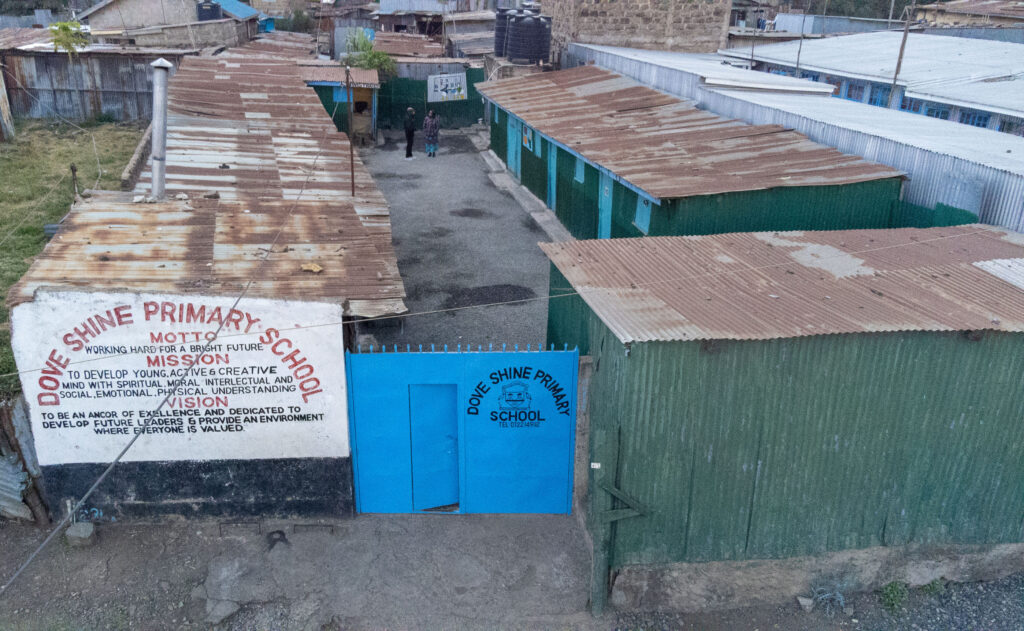
Education is key to the success of every child. RAYDEP is very passionate about community development, social justice and building a better world. In achieving this, we are working in partnership with Dove Shine School in Kware Slums – Ongata Rongai town in Kajiado County. In this area where poverty, gender-based violence, drug and substance abuse, pregnancy and other harmful practices hinder education, we offer training and other holistic support – blended with academics, mentorship, HIV/Aids and reproductive health education, theatre, sports and digital literacy in the local community.
02
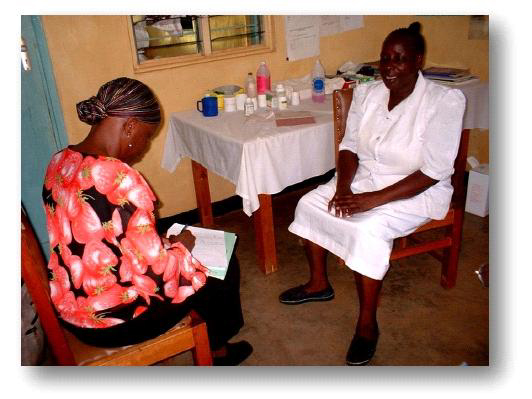
Health and HIV/Aids
RAY Development Projects members have expertise in conducting any type of research and for any need – operational, longitudinal, or cross-sectional. It has implemented a number of projects at community level that involved operational research while at the same time was geared towards improving the well-being of the communities in which such projects were implemented. RAY Development Projects builds capacities and promotes economic growth of communities by engaging teams of research assistants at the community level to conduct the baseline surveys. They assess the level at which the training of women and youths has enhanced their ability to create demand at community level on utilization of services on malaria, HIV and AIDS, water, sanitation and hygiene (WASH), agriculture and food security, and the environment conservation..
03
Environment and Climate Change
(Agriculture & Sustainable Livelihoods)
Climate change is a critical global challenge and recent events have demonstrated the world’s growing vulnerability to climate change. The impacts of climate change ranges from affecting agriculture to further endangering food security, to rising sea-levels and accelerated erosion of coastal zones, increasing intensity of natural disasters, species extinction and the spread of water-borne diseases.
RAYDEP expounds on vulnerability of communities to the risks associated with climate change, and works with the communities to mitigate against factors that aggravate social and economic challenges, particularly among those segments of the population that dependent on resources that are sensitive to change in climate, such as pastoralism and rain-fed agriculture.
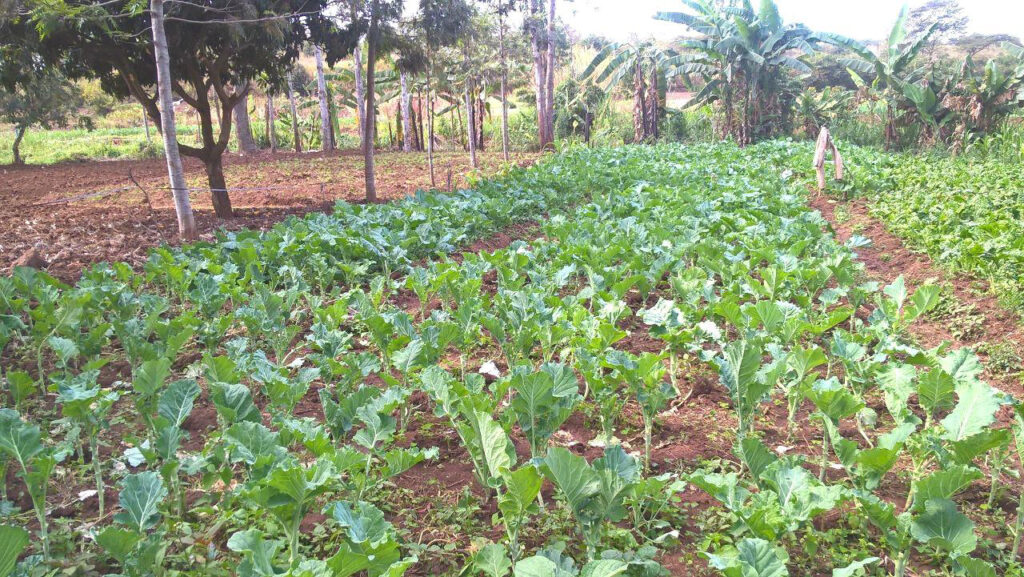
Many of the RAYDEP groups are involved in agricultural activities to enhance their economic sustainability. The youth groups are currently undertaking such farming activities as fish ponds, rabbit farming, horticulture, traditional vegetable farming, poultry, goat and cattle rearing amongst many others to help them raise income and as household food security.
RAYDEP – Environment and Waste Management
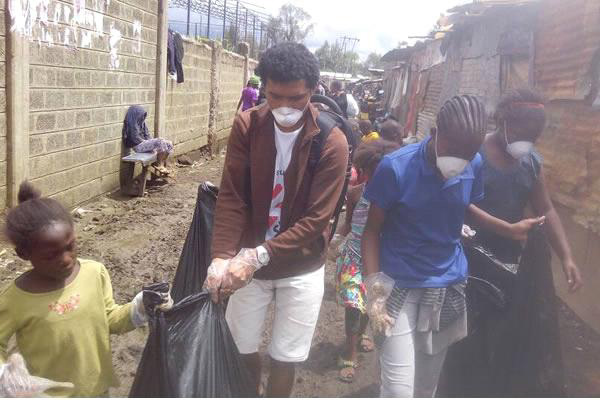
The RAY Development Projects takes part in an environment and waste management program in their community where they live. The projects are created, managed and implemented by young people as a way of creating income to these groups. The youths involved in the project gain valuable skills such as project management and teamwork, thus increasing their employability and participation in society.
04
Community Empowerment
Youths Trainings & Social Economic Development Projects
Women in Finance, Small Businesses Entrepreneurship & Trainings
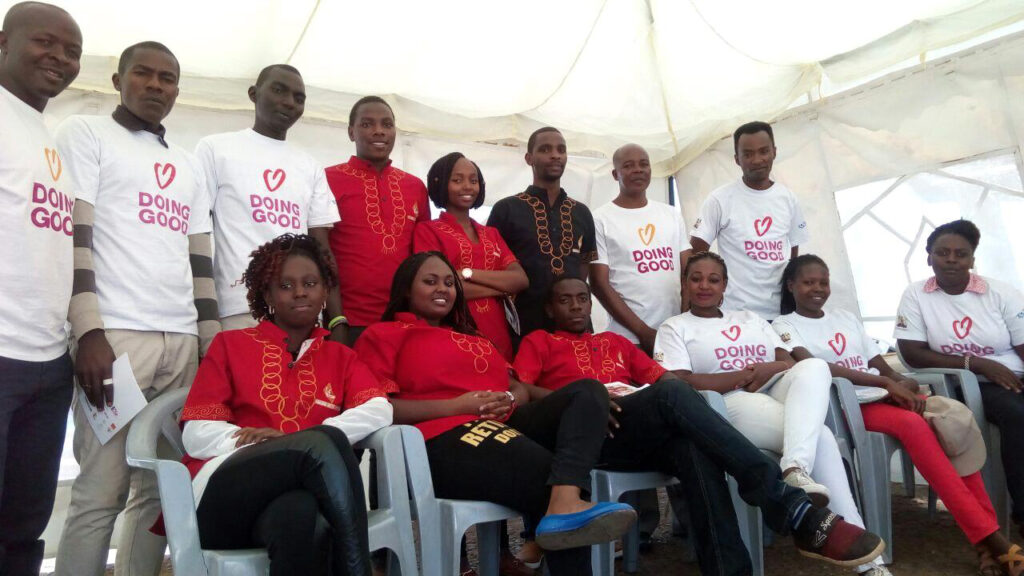
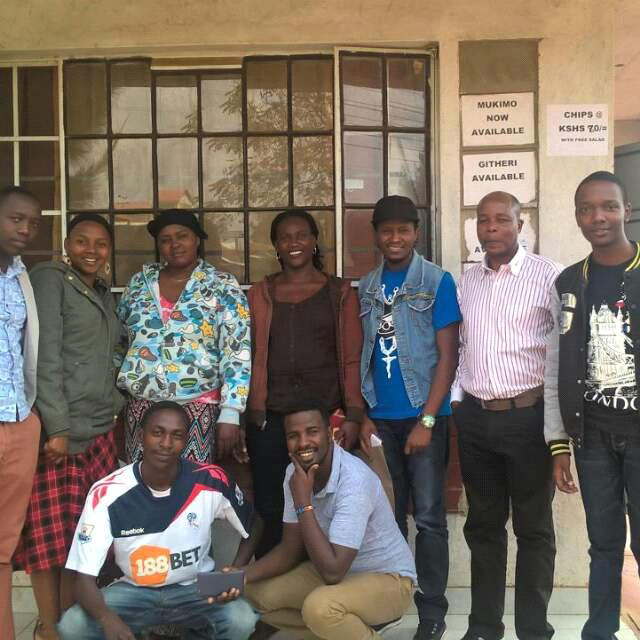
The RAY Development Projects (RAYDEP) – Community Development Initiatives are providing a firm foundation for development and sustainability. In the community programs, we do youth vocational & training which are tailor made on projects and skill oriented.
The RAY Development Projects focuses on providing youths with knowledge, skills and resources to enable them to develop and to improve their standard of living through better health, increased income, enhanced social status and sustainable environment programs
RAY Development Projects under the project of HIV/AIDS also undertake capacity building education on theater for development and outreaches in order to empower young people to understand HIV-AIDS issues and mobilize them for VCTs. Improve and support youths’ talents like drama, music, theater and peer education while advocating for behavior change among youths on HIV-AIDS
EDUCATION IN KENYA
Kenya’s population is 43 million people. The unemployment rate is estimated to be 40% and the poverty rate is 50%. 1.5 million school aged kids in Kenya do not attend any school at all due to poverty. One of two Kenyan girls will never attend school. Nine in ten children from poor households will fail to complete 8th grade.
Kenyan public education is rife with inadequate facilities, insufficient and often poorly trained teachers, overcrowded classrooms and poor results. One in three Kenyan 6th graders cannot read or write. In Kajiado County, performance for public schools is below the national average. A recent survey of public and private schools in Maii Mahiu near Longonot showed the average student teacher ratio to be 87:1.
Thika, located 20 Kilometres Northwest of Nairobi, is home to the largest slum outside of Nairobi and has all of the problems and concerns found in Nairobi’s slums. There are no government services or sanitation facilities. Because of the lack of basic needs and sanitation, and no policing in the slums, disease, malnutrition and crime are rampant. One of three in the slums has contracted AIDS. The average lifespan in the slums is 30 years old.
Children who are not engaged in school through the 8th grade are quickly consumed by a culture of gangs, drugs and criminal activity for boys, and a world of rape, exploitation, prostitution resulting in early, unwanted pregnancy for girls. Every year about 13000 Kenyan girls leave school permanently due to pregnancy. Despite these tragic statistics, for Kenya’s children, education is their only hope of escape from poverty.
RAYDEP with little resources supports several projects and programs to enhance the youths and the children with educational, healthcare, vocational, and outreach programs to address rampant poverty, illness, unemployment, alcohol and drug addiction, etc. RAYDEP is therefore, working in partnership with partnership with few private school administrators, but true to our philosophy of Kenyans having full ownership, they are free to accept the programs in full or in part or not at all as they determine what is best for their individual schools.
Kajiado North Constituency is the most populated of 397,228 persons in Kajiado County according to the Kenya National Bureau of Statistics in 2026. Nkaimurunya Ward is the most populated in the Constituency and one of the largest slums, densely packed into 1.5 square miles, has little access to basic necessities such as electricity, clean water, sanitation and sewage disposal. RAYDEP works in partnership with one of the private schools (Dove Shine School) in the centre of the largest slums.
RAYEP work of healthcare and education to children extended on the effort of the program on HIV/Aids. During the move there have been many challenges of adaptation to the new setting and acquisition of resources to maintain the needs of the schools in the constituency. These include meals for students, laptops and training in digital literacy, libraries and modern buildings to support the learners achieve proper education and performances.